
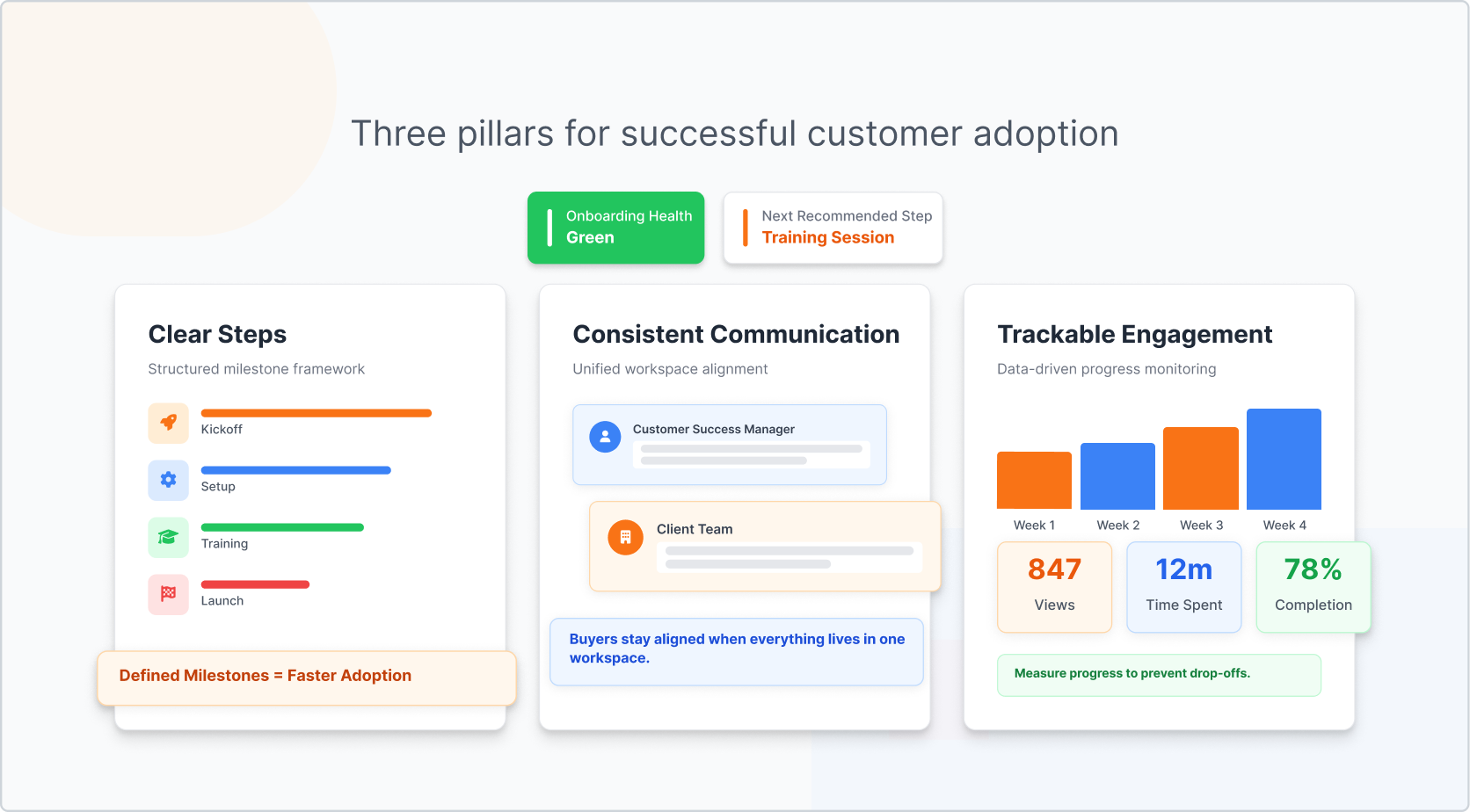
A strong customer onboarding process is what turns a signed contract into lasting growth. It is the moment when customers first see the real value of what they bought. Done well, onboarding creates confidence, builds trust, and ensures the relationship starts with momentum rather than confusion.
Most companies understand the importance of getting customers up and running quickly, but few manage to make onboarding a consistent and repeatable experience. The process is not just about walking someone through a product. It is about shaping their understanding, setting expectations, and helping them achieve the first success that proves the decision to buy was right.
This guide walks through the customer onboarding process from the first interaction to long-term success, outlining key steps, frameworks, and best practices that make the difference between churn and retention.
The customer onboarding process begins right after the deal closes. It includes every step that helps new customers adopt a product or service and reach their first measurable outcome. This journey usually involves communication, setup, training, and support.
While onboarding can vary depending on the product, the goal stays the same: help the customer see value as early as possible. The sooner they reach that first moment of success, the stronger the foundation for an ongoing relationship.
Every step in the onboarding process serves a purpose. Each one reduces uncertainty and increases engagement. A clear process ensures that every customer receives the same level of attention and guidance, regardless of who manages their account.
The structure of onboarding determines how smooth the customer’s first experience will be. It often unfolds in a series of connected stages that move naturally from welcome to independence.
The transition from sales to onboarding is where clarity matters most. Once a deal closes, the information gathered by the sales team such as goals, pain points, and success criteria should move seamlessly to the onboarding team. This prevents repetition and ensures the customer feels understood from the start.
A good handoff confirms that the new customer is not starting over. Instead, it shows that the new phase is part of the same journey. The onboarding team already knows what the customer expects and what success looks like.
The kickoff meeting marks the first formal interaction after the sale. It sets the tone for the entire relationship. This is where teams align on goals, timelines, and communication preferences.
A strong kickoff helps the customer understand what will happen next and what is expected from both sides. It also introduces the people involved, from account managers to support specialists. The clearer the plan, the smoother the path ahead.
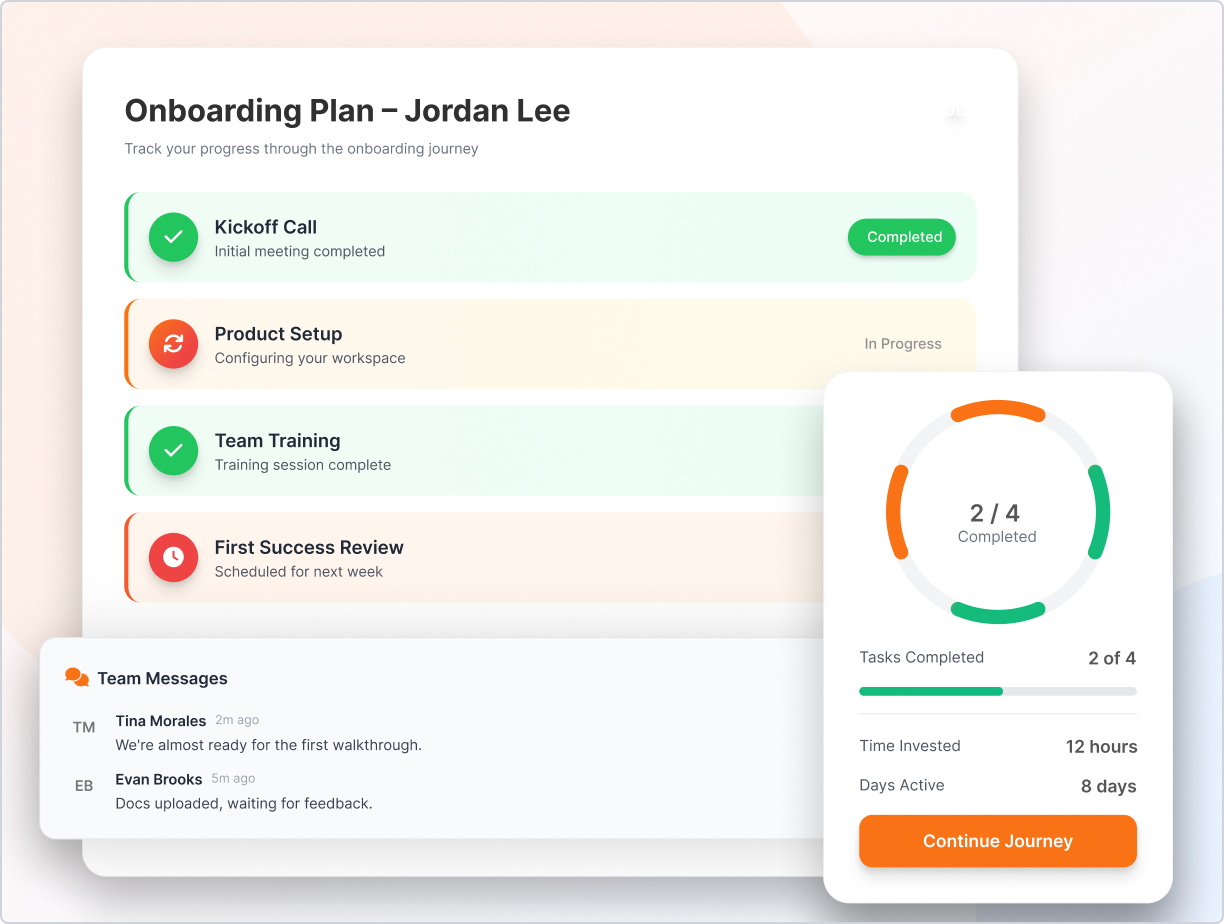
After alignment, onboarding moves into the practical phase. This is where configuration, integrations, and product setup happen. The purpose of this stage is to make the customer operational as soon as possible.
Even technical steps should be handled with care. Customers should never feel lost or left to figure things out on their own. Guided sessions, clear instructions, and proactive support all make implementation smoother and faster.
Training transforms tools into solutions. Once the setup is complete, customers need to know how to use the product to achieve their objectives. Training can take many forms such as live sessions, recorded tutorials, or in-app guidance, but the approach should match the customer’s learning style.
The goal is not to cover every feature. It is to connect the most relevant ones to the customer’s priorities. Effective training shows them how to reach results, not just how to navigate menus.
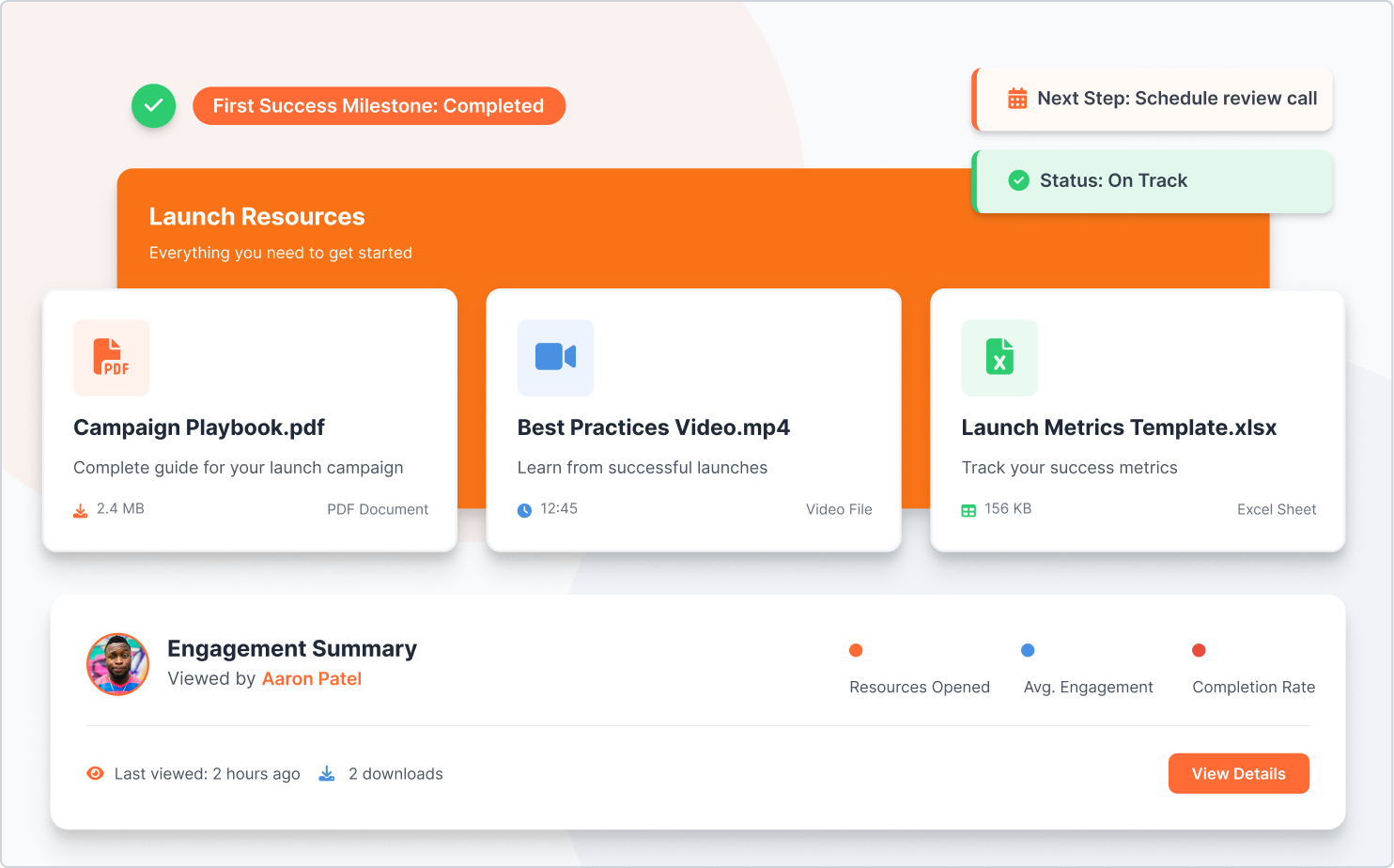
The first win is the most critical milestone in onboarding. It is the moment when the customer experiences value for the first time. That could mean completing a workflow, publishing their first campaign, or generating their first report.
Reaching this milestone creates confidence and motivates further engagement. It proves that the product delivers on its promise and sets the stage for deeper adoption. The onboarding team should celebrate this moment and ensure the customer recognizes its importance.
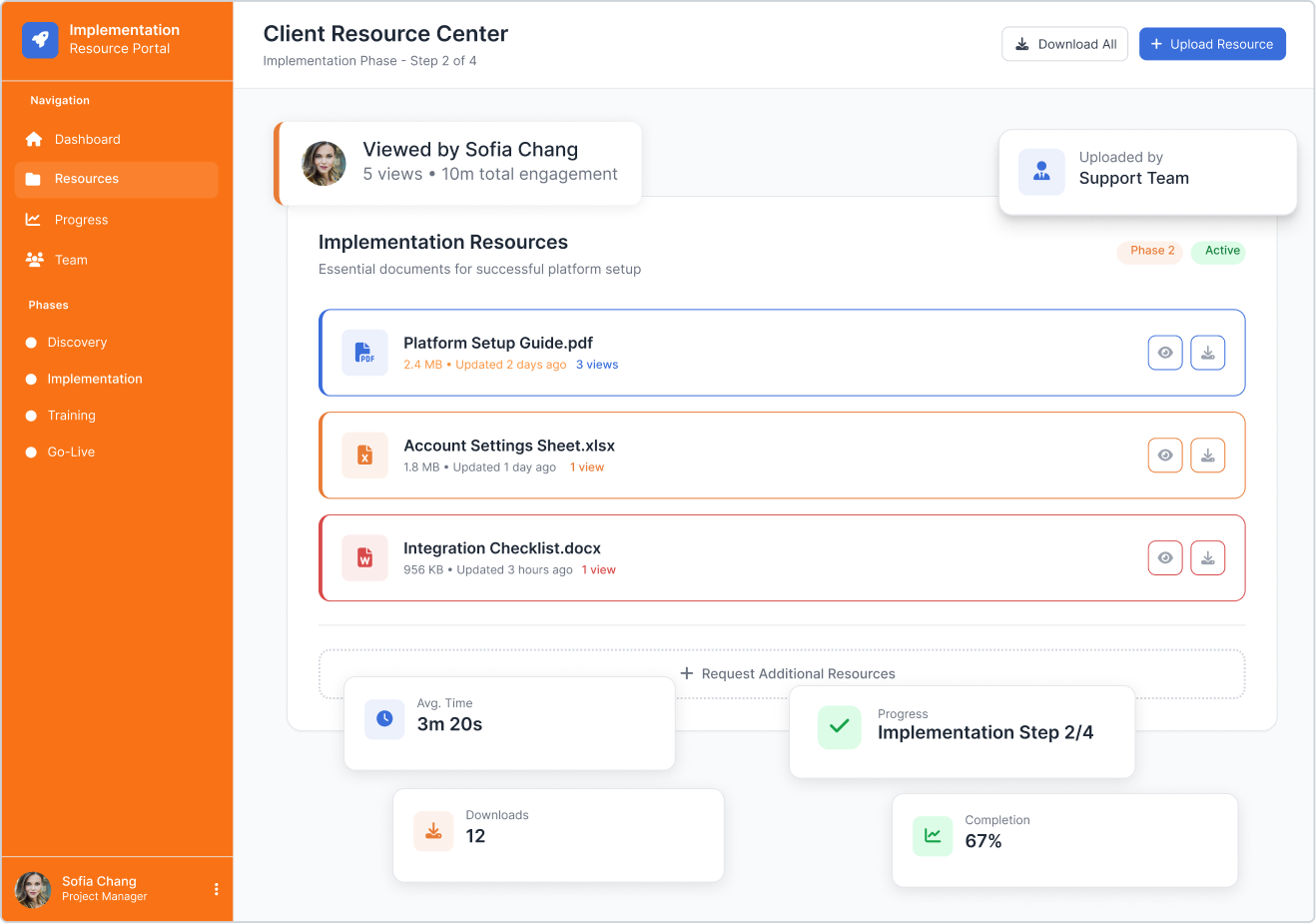
Even after the first win, the onboarding process does not end. Regular check ins help maintain momentum and prevent small issues from becoming obstacles. These sessions reinforce best practices, measure progress, and provide space for feedback.
When handled well, check ins show commitment and care. They remind the customer that support continues beyond setup and that their success is being actively monitored.
While every company’s onboarding process is unique, proven frameworks can make it more repeatable and scalable. A good framework turns a series of actions into a consistent experience.
One of the most reliable approaches is the milestone based framework. This model defines onboarding as a series of checkpoints rather than a list of tasks. Each milestone represents a clear achievement such as successful login, setup completion, first value realization, and adoption growth. Tracking progress through these milestones gives teams a shared language and helps identify where customers might get stuck.
Another common framework is the journey based approach, which maps onboarding as part of the overall customer lifecycle. Instead of ending after setup, it connects directly to adoption and expansion stages. This ensures that onboarding does not exist in isolation but continues to influence long term retention.
A successful framework balances structure and flexibility. It provides clear guidance but still allows room to adapt to each customer’s needs.
A thoughtful onboarding experience feels personal, even when it follows a structured plan. The best practices below highlight what consistently makes onboarding effective and memorable.
Consistency is the first rule. Every new customer should experience the same level of clarity and communication, regardless of who manages their account. Documenting steps, templates, and timelines helps maintain that standard.
Personalization is equally important. Even within a standard process, customers should feel that their goals shape the experience. Tailoring training sessions or progress updates to their specific use case can make a major difference in satisfaction and engagement.
Transparency builds trust throughout onboarding. Setting realistic timelines, sharing progress updates, and communicating challenges openly all reinforce confidence. Customers do not expect perfection; they expect honesty and responsiveness.
Measurement ensures improvement. Tracking activation rates, time to first value, and engagement levels helps teams identify which parts of onboarding need refinement. Over time, these insights create a process that gets smarter with every customer.
Finally, collaboration is what ties everything together. Onboarding should not feel like a handoff between departments but a shared journey. Sales, product, and customer success teams all contribute to a seamless start.
No onboarding process stays perfect forever. Products evolve, customer expectations shift, and new patterns emerge. Regular feedback from both customers and internal teams keeps the process aligned with reality.
Collecting feedback immediately after onboarding completion offers valuable insight into what worked well and what did not. When customers see that their suggestions lead to visible improvements, their loyalty strengthens. Internal feedback is equally vital. Frontline teams often see patterns before metrics reveal them. Encouraging open communication helps refine onboarding faster.
Continuous improvement turns onboarding from a static checklist into a living process that evolves with the company.
A customer’s first experience defines how the rest of the relationship unfolds. A well structured onboarding process builds trust, accelerates time to value, and sets the tone for collaboration.
When onboarding is consistent, clear, and customer focused, it becomes more than a setup phase. It becomes the first step of a partnership. Each milestone builds confidence, and each success strengthens commitment.
The best companies understand that onboarding never truly ends. It grows with the customer, adapts to their goals, and evolves as the product matures. That is what turns a simple process into a lasting competitive advantage.
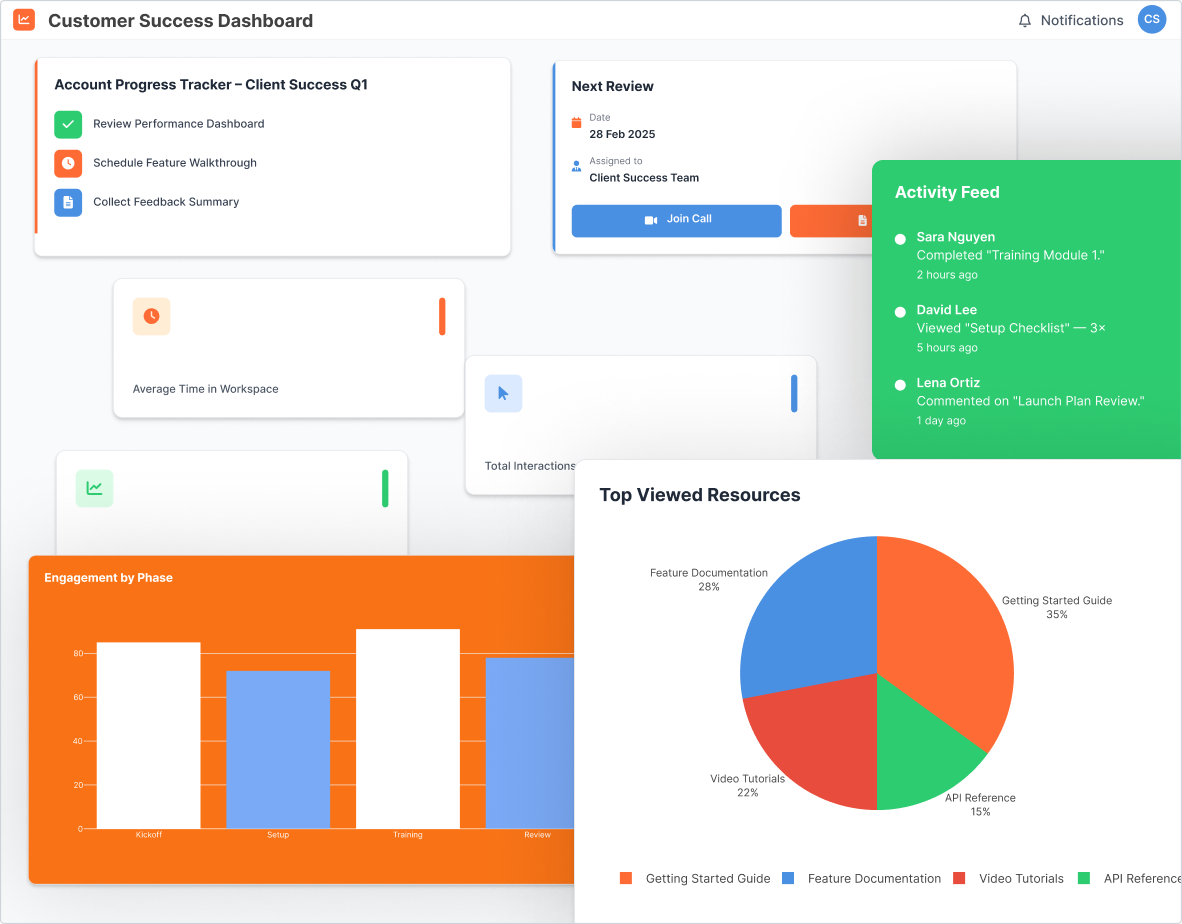
Turning onboarding into a predictable success requires visibility into every customer journey. Buyerstage provides a shared digital workspace where teams can guide clients through each step of the onboarding process in real time. Content, communication, and progress plans all live in one organized space so everyone sees what is done, what comes next, and what drives engagement.
Instead of managing onboarding across scattered tools, Buyerstage keeps teams aligned and customers confident. Each milestone, from kickoff to first value, is tracked with built in analytics that help teams refine the process and deliver consistent, high quality experiences that scale.
A strong customer onboarding process is what turns a signed contract into lasting growth. It is the moment when customers first see the real value of what they bought. Done well, onboarding creates confidence, builds trust, and ensures the relationship starts with momentum rather than confusion.
Most companies understand the importance of getting customers up and running quickly, but few manage to make onboarding a consistent and repeatable experience. The process is not just about walking someone through a product. It is about shaping their understanding, setting expectations, and helping them achieve the first success that proves the decision to buy was right.
This guide walks through the customer onboarding process from the first interaction to long-term success, outlining key steps, frameworks, and best practices that make the difference between churn and retention.
The customer onboarding process begins right after the deal closes. It includes every step that helps new customers adopt a product or service and reach their first measurable outcome. This journey usually involves communication, setup, training, and support.
While onboarding can vary depending on the product, the goal stays the same: help the customer see value as early as possible. The sooner they reach that first moment of success, the stronger the foundation for an ongoing relationship.
Every step in the onboarding process serves a purpose. Each one reduces uncertainty and increases engagement. A clear process ensures that every customer receives the same level of attention and guidance, regardless of who manages their account.
The structure of onboarding determines how smooth the customer’s first experience will be. It often unfolds in a series of connected stages that move naturally from welcome to independence.
The transition from sales to onboarding is where clarity matters most. Once a deal closes, the information gathered by the sales team such as goals, pain points, and success criteria should move seamlessly to the onboarding team. This prevents repetition and ensures the customer feels understood from the start.
A good handoff confirms that the new customer is not starting over. Instead, it shows that the new phase is part of the same journey. The onboarding team already knows what the customer expects and what success looks like.
The kickoff meeting marks the first formal interaction after the sale. It sets the tone for the entire relationship. This is where teams align on goals, timelines, and communication preferences.
A strong kickoff helps the customer understand what will happen next and what is expected from both sides. It also introduces the people involved, from account managers to support specialists. The clearer the plan, the smoother the path ahead.
After alignment, onboarding moves into the practical phase. This is where configuration, integrations, and product setup happen. The purpose of this stage is to make the customer operational as soon as possible.
Even technical steps should be handled with care. Customers should never feel lost or left to figure things out on their own. Guided sessions, clear instructions, and proactive support all make implementation smoother and faster.
Training transforms tools into solutions. Once the setup is complete, customers need to know how to use the product to achieve their objectives. Training can take many forms such as live sessions, recorded tutorials, or in-app guidance, but the approach should match the customer’s learning style.
The goal is not to cover every feature. It is to connect the most relevant ones to the customer’s priorities. Effective training shows them how to reach results, not just how to navigate menus.
The first win is the most critical milestone in onboarding. It is the moment when the customer experiences value for the first time. That could mean completing a workflow, publishing their first campaign, or generating their first report.
Reaching this milestone creates confidence and motivates further engagement. It proves that the product delivers on its promise and sets the stage for deeper adoption. The onboarding team should celebrate this moment and ensure the customer recognizes its importance.
Even after the first win, the onboarding process does not end. Regular check ins help maintain momentum and prevent small issues from becoming obstacles. These sessions reinforce best practices, measure progress, and provide space for feedback.
When handled well, check ins show commitment and care. They remind the customer that support continues beyond setup and that their success is being actively monitored.
While every company’s onboarding process is unique, proven frameworks can make it more repeatable and scalable. A good framework turns a series of actions into a consistent experience.
One of the most reliable approaches is the milestone based framework. This model defines onboarding as a series of checkpoints rather than a list of tasks. Each milestone represents a clear achievement such as successful login, setup completion, first value realization, and adoption growth. Tracking progress through these milestones gives teams a shared language and helps identify where customers might get stuck.
Another common framework is the journey based approach, which maps onboarding as part of the overall customer lifecycle. Instead of ending after setup, it connects directly to adoption and expansion stages. This ensures that onboarding does not exist in isolation but continues to influence long term retention.
A successful framework balances structure and flexibility. It provides clear guidance but still allows room to adapt to each customer’s needs.
A thoughtful onboarding experience feels personal, even when it follows a structured plan. The best practices below highlight what consistently makes onboarding effective and memorable.
Consistency is the first rule. Every new customer should experience the same level of clarity and communication, regardless of who manages their account. Documenting steps, templates, and timelines helps maintain that standard.
Personalization is equally important. Even within a standard process, customers should feel that their goals shape the experience. Tailoring training sessions or progress updates to their specific use case can make a major difference in satisfaction and engagement.
Transparency builds trust throughout onboarding. Setting realistic timelines, sharing progress updates, and communicating challenges openly all reinforce confidence. Customers do not expect perfection; they expect honesty and responsiveness.
Measurement ensures improvement. Tracking activation rates, time to first value, and engagement levels helps teams identify which parts of onboarding need refinement. Over time, these insights create a process that gets smarter with every customer.
Finally, collaboration is what ties everything together. Onboarding should not feel like a handoff between departments but a shared journey. Sales, product, and customer success teams all contribute to a seamless start.
No onboarding process stays perfect forever. Products evolve, customer expectations shift, and new patterns emerge. Regular feedback from both customers and internal teams keeps the process aligned with reality.
Collecting feedback immediately after onboarding completion offers valuable insight into what worked well and what did not. When customers see that their suggestions lead to visible improvements, their loyalty strengthens. Internal feedback is equally vital. Frontline teams often see patterns before metrics reveal them. Encouraging open communication helps refine onboarding faster.
Continuous improvement turns onboarding from a static checklist into a living process that evolves with the company.
A customer’s first experience defines how the rest of the relationship unfolds. A well structured onboarding process builds trust, accelerates time to value, and sets the tone for collaboration.
When onboarding is consistent, clear, and customer focused, it becomes more than a setup phase. It becomes the first step of a partnership. Each milestone builds confidence, and each success strengthens commitment.
The best companies understand that onboarding never truly ends. It grows with the customer, adapts to their goals, and evolves as the product matures. That is what turns a simple process into a lasting competitive advantage.
Turning onboarding into a predictable success requires visibility into every customer journey. Buyerstage provides a shared digital workspace where teams can guide clients through each step of the onboarding process in real time. Content, communication, and progress plans all live in one organized space so everyone sees what is done, what comes next, and what drives engagement.
Instead of managing onboarding across scattered tools, Buyerstage keeps teams aligned and customers confident. Each milestone, from kickoff to first value, is tracked with built in analytics that help teams refine the process and deliver consistent, high quality experiences that scale.
